By admin on 26 Dec 2025
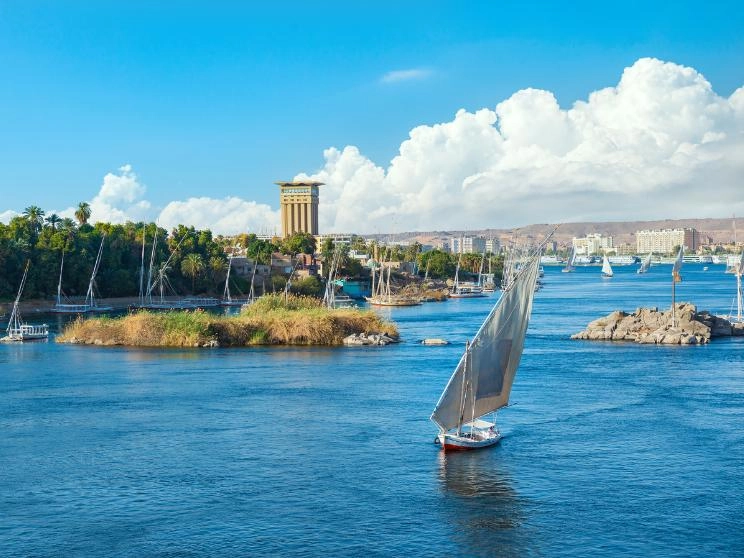
The Nile River goes beyond just being the longest river in the world. It is a living symbol of culture, history, and life itself. The legendary river flows through northeastern Africa, shaping civilizations, inspiring myths, and attracting travelers worldwide. From fertile riverbanks and ancient temples to lavish travel experiences, the Nile River remains one of the most fascinating natural wonders on Earth.
The best part is that you can experience the Nile River on a Nile River cruise. Interested in knowing more? This blog will discuss the river’s interesting facts. And tell you about a reliable tour operator for booking your next trip.
Understand the Nile River
Where It Flows?
The Nile River stretches for 6,650 kilometres. Before emptying into the Mediterranean Sea, it flows northward through multiple African countries. The river’s journey crosses different cultures, landscapes, and climates.
The Nile River passes through the following countries:
- Uganda
- South Sudan
- Sudan
- Ethiopia (via the Blue Nile tributary)
- Egypt
This expansive reach makes the Nile River important to millions of people, who depend on it for water, energy, agriculture, and transportation.
The Nile River’s Historical Importance
The Cradle of Ancient Egypt
The Nile River plays a central role in Ancient Egyptian civilization, and everyone acknowledges it. The river’s annual flooding deposited nutrient-rich soil along its banks, allowing reliable farming in an otherwise desert environment.
Main Historical Contributions of the Nile River
- The Nile River supported food security and agriculture
- It allowed easy trade and transportation
- The river influenced religious rituals and beliefs
- The popular river determined settlement patterns
Based on the Nile River’s flooding cycles, ancient Egyptians even measured time and seasons. This shows how deeply it shaped everyday life.
The Nile River and Modern Egypt
A Vital Resource Today
Even in modern times, the Nile River hasn’t lost its charm. This river remains Egypt’s primary water source. Plus, where the desert covers most of the country, the River Nile continues to maintain cities, industries, and farms.
How is the Nile River used now?
- The water is used for irrigating the crops.
- It is a valuable drinking water supply.
- The river helps in creating hydroelectric power.
- The Nile River draws tourists and is used for transportation.
Yes, Egypt has made technological advancements, but the country’s reliance on the Nile River remains as strong as it was thousands of years ago.
Explore the Nile River Through Travel
What Makes Nile a Top Tourist Destination?
The Nile River attracted travelers to its amazing combination of history, cultural richness, and scenery. To date, it remains unmatched.
Apart from this, some of the world’s signature archaeological sites rest along the riverbank. This makes it a dream destination for historians and explorers, too.
Popular attractions along the Nile River include:
- The temples of Luxor and Karnak
- The Valley of the Kings
- Abu Simbel temples
- Traditional riverside villages
Experience a Nile River Cruise
A Relaxing Way to Travel
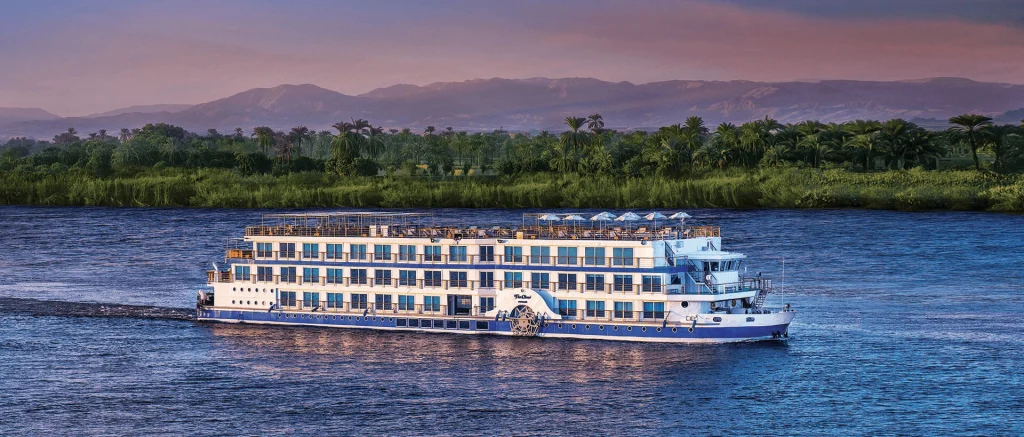
A Nile River cruise is widely regarded as one of the most relaxing and immersive ways of exploring Egypt. Booking the cruise lets you enjoy a smooth journey instead of rushing between landmarks. So, you get to see the ancient wonders at a comfortable pace.
Highlights of a Nile River cruise
- The gigantic ship offers guided visits to historic temples
- Enjoy panoramic river views from the cruise’s deck
- Stay in luxurious accommodations
- Authentic Egyptian cuisine
In short, a Nile River cruise combines comfort with discovery. Opening the ground for travelers to experience Egypt the way ancient travelers did. Different Types of Nile River Cruises
Choose the Right Experience
Nile River cruise options offer plenty of styles. Each caters to different traveling preferences and budgets.
Common types are as follows:
- Luxury Cruises: The name only gives you a hint that the cruise is packed with five-star amenities.
- Mid-range Deluxe Cruises: This one provides comfort and value.
- Traditional Dahabiya Boats: These pamper you with a more intimate experience.
Every Nile River cruise gives access to iconic landmarks while offering a distinct atmosphere onboard.
What’s The Best Time to Visit the Nile River?
Consider The Season
The perfect time to explore the Nile River is during Egypt’s cooler months. This is typically from October to April. During this period, temperatures are more comfortable for sightseeing in Egypt and outdoor excursions.
Travel tips for visiting the Nile River
- Winter: It’s the best weather for cruises.
- Spring: The season is less crowded.
- Summer: Very hot, but also pocket-friendly.
Therefore, plan your Nile River cruise during peak season for a more enjoyable and comfortable trip.
How Is Cultural Life Along the Nile River?
Traditions and Daily Living
Life along the Nile River follows rhythms. It’s shaped by environment and shape. Local crafts, fishing, and farming remain important parts of riverside communities.
You might encounter the following cultural experiences:
- Traditional music and dance
- Local handicrafts and markets
- Visits to the village during shore excursions
Such interactions enhance the experience and add depth to any Nile River cruise, turning plain sightseeing into cultural immersion.
The Nile River Continues to Inspire: Why?
The Nile River has a timeless appeal. Credits go to its ability to seamlessly connect the past and present
There are a few places in the world that allow travelers to visit ancient temples, living traditions, and natural beauty in one journey.
It doesn’t matter whether you are fond of history, a cultural explorer, or a leisure traveler; a Nile River cruise leaves you with an unforgettable experience ingrained in thousands of years of human civilization.
Conclusion
The Nile River represents humanity’s relationship with nature, which is powerful and nurturing.
From supporting ancient empires to hosting modern travelers, it continues to shape stories and life along the riverbanks.
Through a Nile River cruise, exploring the Nile River is not just an ordinary trip. It’s a journey through culture, history, and the enduring spirit of one of the world’s greatest rivers.
Furthermore, if you ever want to witness the Nile River, get in touch with Nile Cruisers. They are a trustworthy tour operator, offering Nile River cruise packages.
FAQ About the Nile River
Categories
- Egypt and Jordan Tours (12)
- Egypt Destinations (44)
- Egypt Nile Cruises (52)
- Egypt Sightseeing (19)
- Egypt Tour Packages (32)
- infographics (1)
-

Nile Cruisers Reviews
30 Apr 2026
-
Hidden Cairo: The Places Most Tourists Never See, Through a Local’s Eyes
14 Oct 2026
-
Why Ending Your Nile Cruise in Marsa Alam Is the Ultimate Way to Unwind
06 Oct 2026
-
4-Day vs 7-Day Nile Cruise: What’s the Difference?
01 Oct 2026
-
Kalabsha, Wadi el-Seboua & Amada: The Rescued Temples Most Tourists Never See
26 Sep 2026
-

“The Museum Xi Jinping Had to See And Why It Belongs on Your Itinerary Too”
18 Sep 2026
-
Is Egypt Expensive to Visit? A Complete Travel Budget
18 Sep 2026
-
Nile Cruisers Reviews
30 Apr 2026
-
Hidden Cairo: The Places Most Tourists Never See, Through a Local’s Eyes
14 Oct 2026
-
Why Ending Your Nile Cruise in Marsa Alam Is the Ultimate Way to Unwind
06 Oct 2026
-
4-Day vs 7-Day Nile Cruise: What’s the Difference?
01 Oct 2026
-
Kalabsha, Wadi el-Seboua & Amada: The Rescued Temples Most Tourists Never See
26 Sep 2026






Comments