By admin on 20 Aug 2026
There’s a moment when the noise of the modern world… stops. Maybe it’s watching a felucca drift past at sunset, its white sail catching the last orange light. Maybe it’s standing on deck as the boat glides beneath a sky so full of stars you forget you’re only a few hours from Cairo. Whatever the moment is, it tends to arrive somewhere between Luxor and Aswan, on the stretch of river that has carried travelers, pharaohs, and traders for over five thousand years.
If you’re planning a Nile cruise Luxor to Aswan itinerary, you’ve probably already run into a small but surprisingly important decision: do you sail from Luxor to Aswan or from Aswan to Luxor? At first glance, it might seem like a coin flip. Same river, same temples, same boat, right? Not quite. The direction you choose shapes the rhythm of your trip, the order in which the temples reveal themselves, and even how your body adjusts to the pace of travel. This guide walks through both routes in detail so you can decide which one fits your travel style, then closes with practical tips for booking a Nile River cruise that actually matches how you like to travel.
Why the Route Direction Even Matters
Before comparing the two directions, it helps to understand what a Nile cruise from Luxor to Aswan actually looks like on the ground. Most itineraries run three to four nights and cover roughly 200 kilometers of river between Egypt’s two great temple cities. Along the way, the boat typically docks at Edfu, Kom Ombo, and sometimes Esna, giving you the chance to step off and explore temples that have stood in near-perfect condition since antiquity.
Because the boat moves at a gentle pace, and because most excursions happen early in the morning before the desert heat sets in, the order of your stops genuinely affects the flow of the week. A cruise isn’t just a checklist of monuments. It’s a slow unwinding, a rhythm of sailing and stopping, and that rhythm feels different depending on which direction you’re heading.
The Classic Route: Nile Cruise from Luxor to Aswan
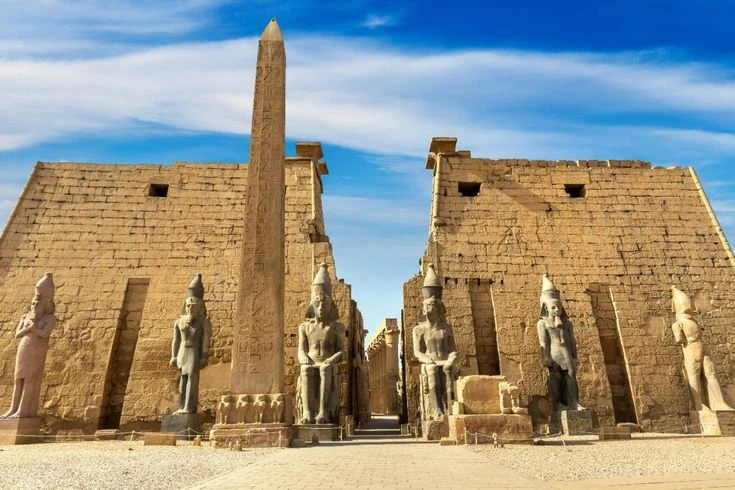
Sailing a Nile cruise from Luxor to Aswan is the more traditional choice, and there’s a reason it’s remained popular for decades. You begin in Luxor, often called the world’s largest open-air museum, and spend a day or two exploring before ever setting foot on the boat.
A Grand Opening Act
Starting in Luxor means your trip opens with some of the most spectacular sites in Egypt. The Karnak Temple complex, with its forest of towering columns, and the Valley of the Kings, where pharaohs like Tutankhamun were laid to rest, set an extraordinarily high bar right from day one. Many travelers say this order works well psychologically: you get the “wow” moments early, and then the trip gradually shifts into a more relaxed, contemplative mode as you sail south.
The Journey South
After Luxor, the boat casts off and heads upstream toward Aswan (on the Nile, “upstream” means heading south, since the river flows north into the Mediterranean). Along the way, you’ll typically stop at:
– Edfu, home to the Temple of Horus, one of the best-preserved temples in all of Egypt, usually reached by a horse-drawn carriage ride from the dock
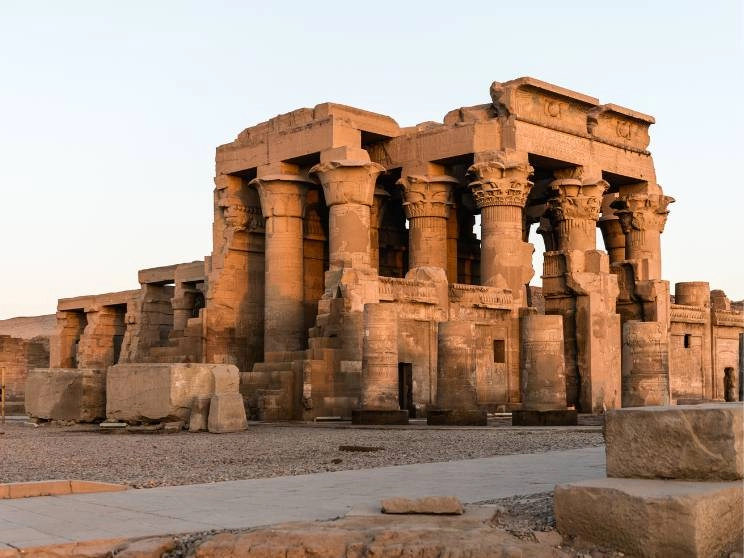
– Kom Ombo, an unusual double temple dedicated to two gods, Sobek and Horus, perched right on the riverbank
– Aswan, your final stop, where the pace slows even further, and the scenery turns dramatic, with granite boulders, Nubian villages, and the wide, glittering expanse of Lake Nasser nearby
Why Travelers Choose This Direction
A Luxor-to-Aswan sailing tends to appeal to people who want their trip to build gradually toward relaxation. You start with dense, monument-heavy sightseeing in Luxor and finish in Aswan’s calmer, more scenic atmosphere. It’s a natural way to unwind, and it also means your last few days involve less early-morning temple-hopping and more time enjoying the boat itself, the Nubian markets, and the famous felucca rides around Elephantine Island.
The Reverse Route: Aswan to Luxor
Sailing from Aswan to Luxor flips that structure. You fly or travel to Aswan first, explore its highlights, then board your ship and sail north (downstream) toward Luxor, arriving at the trip’s grand finale surrounded by the Valley of the Kings and Karnak.
Starting Slow, Finishing Strong
This direction tends to suit travelers who prefer easing into a trip. Aswan is quieter and less crowded than Luxor, with a gentler, almost languid atmosphere. You can spend your first day adjusting to the heat, the pace, and the rhythm of Egyptian travel before diving into heavier sightseeing. Many people also enjoy visiting the temples of Abu Simbel from Aswan, a full-day excursion best done at the start of a trip while energy levels are high.
Building Toward Luxor
As the ship sails downstream, you’ll hit the same stops as the reverse route, Kom Ombo and Edfu, but in the opposite order, arriving in Luxor last. This means your trip ends with its most iconic sights: Karnak’s colossal pylons, the eerily quiet Valley of the Kings, and the twin Colossi of Memnon standing watch over the west bank. For history lovers, ending on this note feels like a climax rather than a warm-up.
Who Tends to Prefer This Route
Travelers who want their itinerary to end on the most dramatic, photograph-worthy sites often gravitate toward this direction. It also works well if you’re combining your cruise with a longer stay in Luxor afterward, since you’ll already be positioned there when the cruise concludes, ready to explore further or catch a flight home from Luxor International Airport.
Side-by-Side: What Actually Changes
Practically speaking, both directions cover the same temples and the same stretch of the Nile. The core experience of a Nile river cruise, gliding past palm groves, sandstone cliffs, and small farming villages while feluccas dot the water, remains constant regardless of which way you sail. Where the two routes diverge is in pacing and emotional structure.
– Luxor to Aswan front-loads the “greatest hits” and lets the trip taper into relaxation, ending in Aswan’s laid-back Nubian atmosphere.
– Aswan to Luxor starts gently and builds toward a dramatic finish among Luxor’s ancient wonders, which can feel more like a satisfying crescendo.
Neither is objectively better. It really comes down to whether you’d rather peak early and unwind or ease in and finish strong. Some travelers also base their decision on flight logistics: if your international flight departs from Cairo via Luxor, ending your cruise in Luxor might simplify your onward travel. If you’re flying out of Aswan, the reverse can make more sense.
A Few Things That Stay the Same Either Way
Regardless of direction, a handful of details apply to nearly every Nile cruise Luxor Aswan itinerary, and they’re worth knowing before you book.
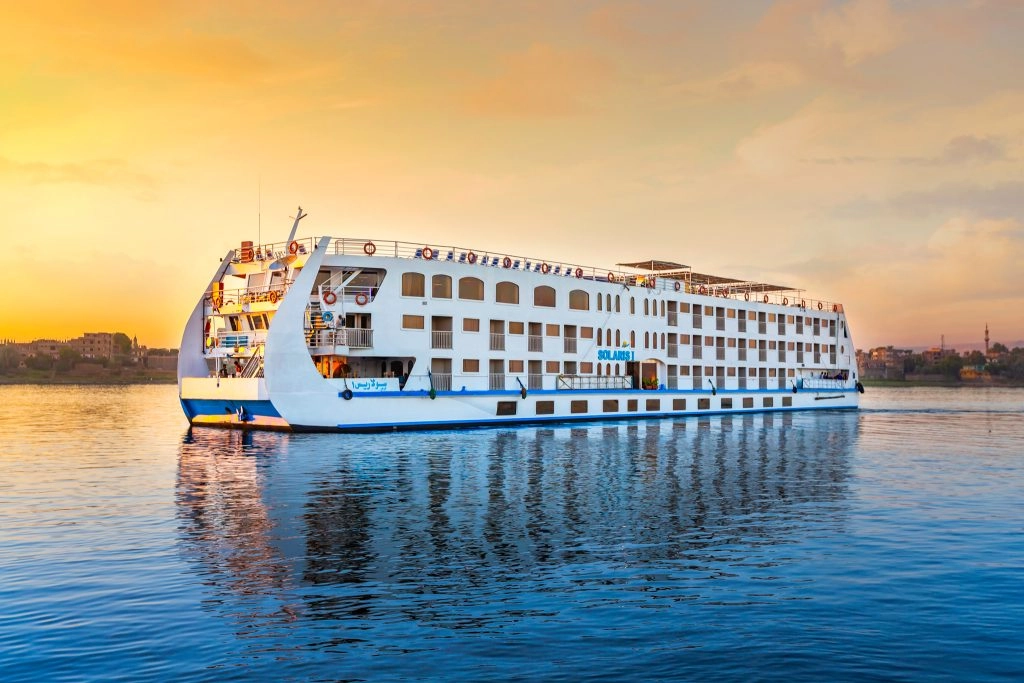
The boats themselves range from modestly comfortable to genuinely luxurious, often featuring sun decks, small pools, and dining rooms serving both Egyptian and international cuisine. Cabin windows (or balconies on higher-end ships) mean the scenery is part of the experience even when you’re not on deck.
Excursions are typically included in the cruise price, with knowledgeable Egyptologist guides leading small groups through each temple. Early starts are common, since temperatures climb fast in the Egyptian sun, especially between May and September.
The best travel season runs from October through April, when daytime temperatures are far more comfortable for walking around ancient sites. Winter months (December and January) are the most popular, so booking ahead is wise if you’re traveling during that window.
Dress and etiquette matter at religious and historical sites. Modest clothing that covers shoulders and knees is generally expected when visiting temples, and comfortable walking shoes make a real difference given the amount of ground you’ll cover at each stop.
Planning Your Own Nile Cruise
Choosing between a Luxor to Aswan or Aswan to Luxor sailing ultimately comes down to personal preference rather than one route being definitively superior. Consider how you like your trips to feel: do you want the excitement front-loaded, or do you want anticipation building toward a final, unforgettable stretch? Think too about your broader itinerary. Where are you flying in and out of? Do you want extra days in Luxor or Aswan before or after the cruise? Are you hoping to add Abu Simbel, which is easier to combine with an Aswan start?
Whichever direction you choose, the heart of the experience doesn’t change. You’ll wake up to the sound of the river, watch the sun rise over temples that have stood since before written history reliably began, and spend your evenings on deck as Egypt slips quietly by. That’s the real appeal of a Nile river cruise: not just seeing ancient Egypt, but moving through it at the same unhurried pace people have for thousands of years.
Ready to experience the Nile for yourself? Whichever direction you choose, sailing between Luxor and Aswan remains one of the most timeless ways to explore ancient Egypt.
Frequently Asked Questions about Luxor to Aswan vs. Aswan to Luxor
Categories
- Egypt and Jordan Tours (12)
- Egypt Destinations (44)
- Egypt Nile Cruises (52)
- Egypt Sightseeing (19)
- Egypt Tour Packages (32)
- infographics (1)
-

Nile Cruisers Reviews
30 Apr 2026
-

Hidden Cairo: The Places Most Tourists Never See, Through a Local’s Eyes
14 Oct 2026
-
Why Ending Your Nile Cruise in Marsa Alam Is the Ultimate Way to Unwind
06 Oct 2026
-
4-Day vs 7-Day Nile Cruise: What’s the Difference?
01 Oct 2026
-

Kalabsha, Wadi el-Seboua & Amada: The Rescued Temples Most Tourists Never See
26 Sep 2026
-

“The Museum Xi Jinping Had to See And Why It Belongs on Your Itinerary Too”
18 Sep 2026
-

Is Egypt Expensive to Visit? A Complete Travel Budget
18 Sep 2026
-
Nile Cruisers Reviews
30 Apr 2026
-
Hidden Cairo: The Places Most Tourists Never See, Through a Local’s Eyes
14 Oct 2026
-
Why Ending Your Nile Cruise in Marsa Alam Is the Ultimate Way to Unwind
06 Oct 2026
-
4-Day vs 7-Day Nile Cruise: What’s the Difference?
01 Oct 2026
-
Kalabsha, Wadi el-Seboua & Amada: The Rescued Temples Most Tourists Never See
26 Sep 2026






Comments