By Hesham Elgammal on 30 Apr 2026
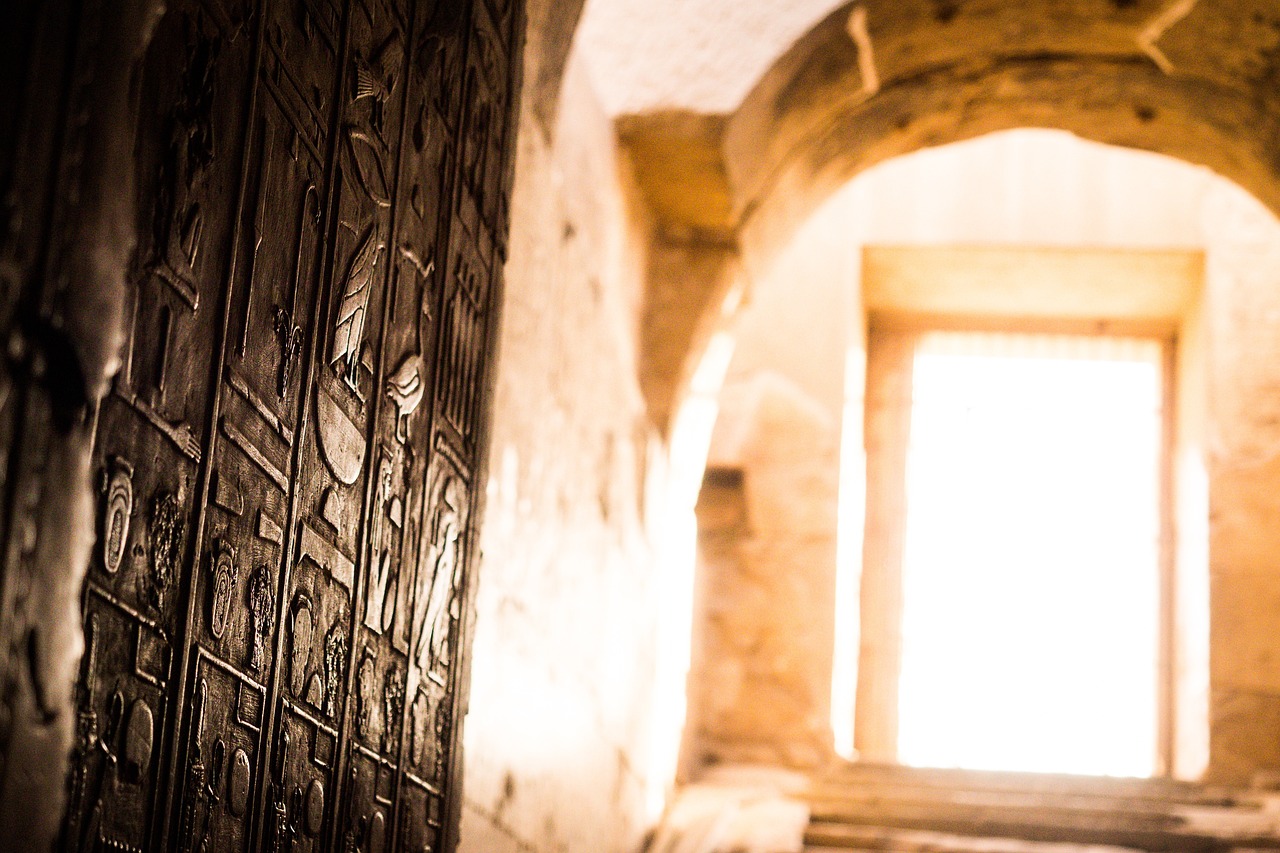
Have you ever wondered about the ancient Egyptian practice of building temples? What were they used for? Who were they built for? These are some of the questions that archaeologists have been trying to answer for centuries. One such temple is the Great Temple of Abydos. This temple, in particular, has been shrouded in mystery. But a recent discovery by a team of archaeologists may have finally uncovered its secrets.
Everything about the Abydos Temple:
The Abydos Temple was built during the reign of Pharaoh Seti I, who ruled from 1290-1279 BCE. Seti I was the son of Ramses I, who founded the 19th dynasty of Egypt. The temple was dedicated to the god Osiris, the god of death and resurrection. Osiris was also believed to be the father of Horus, the patron god of Seti I’s 19th dynasty.
The primary purpose of the Abydos Temple was to serve as a funerary complex for Seti I and his family. However, evidence suggests that people may have also used the temple for ritual purposes. In particular, there is a temple chamber with an inscription known as the “Osiris Prophecy.” This prophecy predicts that a king named Osorkon will one day rule over Egypt.
The “Osiris Prophecy” shows how the Abydos Temple may have served ritual purposes. It is possible that this chamber was used for magical rituals related to death and resurrection. The fact that the prophecy predicts the rise of a future king suggests that these rituals may have been performed to ensure the continued success of Seti I’s 19th dynasty.
READ MORE: EVERYTHING YOU NEED TO KNOW ABOUT EGYPT TOUR PACKAGES
The Secrets of the Abydos Temple Revealed!
The Great Temple of Abydos was built during the reign of Pharaoh Seti I, around 1300 BC. It is located in the ancient city of Abydos, in the southern Egyptian province of Sohag. The temple was dedicated to the god Osiris, the Egyptian god of the afterlife.
The temple was built on a grand scale, with two massive courtyards, dozens of columns, and numerous statues and reliefs. But despite its size and grandeur, the temple was abandoned just a few hundred years after it was built. Why?
The answer may lie in a recent discovery by archaeologists. Hidden away in a secret chamber, they found a mummified body. This body was not that of a pharaoh or a royal family member. Instead, it was the body of a man who lived during the time of the temple’s construction.
The man’s name was Djehuty. He was a royal scribe and oversaw the temple’s construction. There was a stone tablet in his tomb, which was discovered near the temple. On this tablet, Djehuty left instructions for how the temple should be used.
Remembering Om Seti
No story of the Temple of Abydos would be complete without mention of the legendary figure of Om Seti, born Dorothy Eady. Her story adds an intriguing layer to the already deep mysteries of the temple for many. Eady believed she was a reincarnation of a temple priestess from the era of Seti I, and she committed her life to living and working at Abydos, becoming a part of the site’s history. Her deep knowledge of the intricate reliefs in the temple and her passionate commitment turned her into a local celebrity, connecting historical fact with personal legend. Her story is one of the most compelling modern stories embedded in the ancient stones of Abydos. Many visitors to this sacred place find that their own experience is heightened by her extraordinary tale.
Conclusion
The Abydos Temple is one of the most mysterious structures from ancient Egypt. However, a recent discovery by a team of archaeologists has shed some light on its secrets. The temple’s main purpose was to serve as a funerary complex for Seti I and his family. However, it is possible that it was also used for magical rituals related to death and resurrection. The discovery of the “Osiris Prophecy” supports this theory. Further research could reveal even more secrets about this fascinating structure.
CHECK OUT OUR RANGE OF EGYPT TOUR PACKAGES NOW
Hesham El Gammal updated and rewrote this article in part on April 30th, 2026, and fact-checked it.
Categories
- Egypt and Jordan Tours (12)
- Egypt Destinations (44)
- Egypt Nile Cruises (52)
- Egypt Sightseeing (19)
- Egypt Tour Packages (31)
- infographics (1)
-

Nile Cruisers Reviews
30 Apr 2026
-
Why Ending Your Nile Cruise in Marsa Alam Is the Ultimate Way to Unwind
06 Oct 2026
-
4-Day vs 7-Day Nile Cruise: What’s the Difference?
01 Oct 2026
-
Kalabsha, Wadi el-Seboua & Amada: The Rescued Temples Most Tourists Never See
26 Sep 2026
-

“The Museum Xi Jinping Had to See And Why It Belongs on Your Itinerary Too”
18 Sep 2026
-
Is Egypt Expensive to Visit? A Complete Travel Budget
18 Sep 2026
-
My Morning at the Grand Egyptian Museum: What It’s Really Like to Visit in 2026
12 Sep 2026
-
Nile Cruisers Reviews
30 Apr 2026
-
Why Ending Your Nile Cruise in Marsa Alam Is the Ultimate Way to Unwind
06 Oct 2026
-
4-Day vs 7-Day Nile Cruise: What’s the Difference?
01 Oct 2026
-
Kalabsha, Wadi el-Seboua & Amada: The Rescued Temples Most Tourists Never See
26 Sep 2026
-
“The Museum Xi Jinping Had to See And Why It Belongs on Your Itinerary Too”
18 Sep 2026






Comments